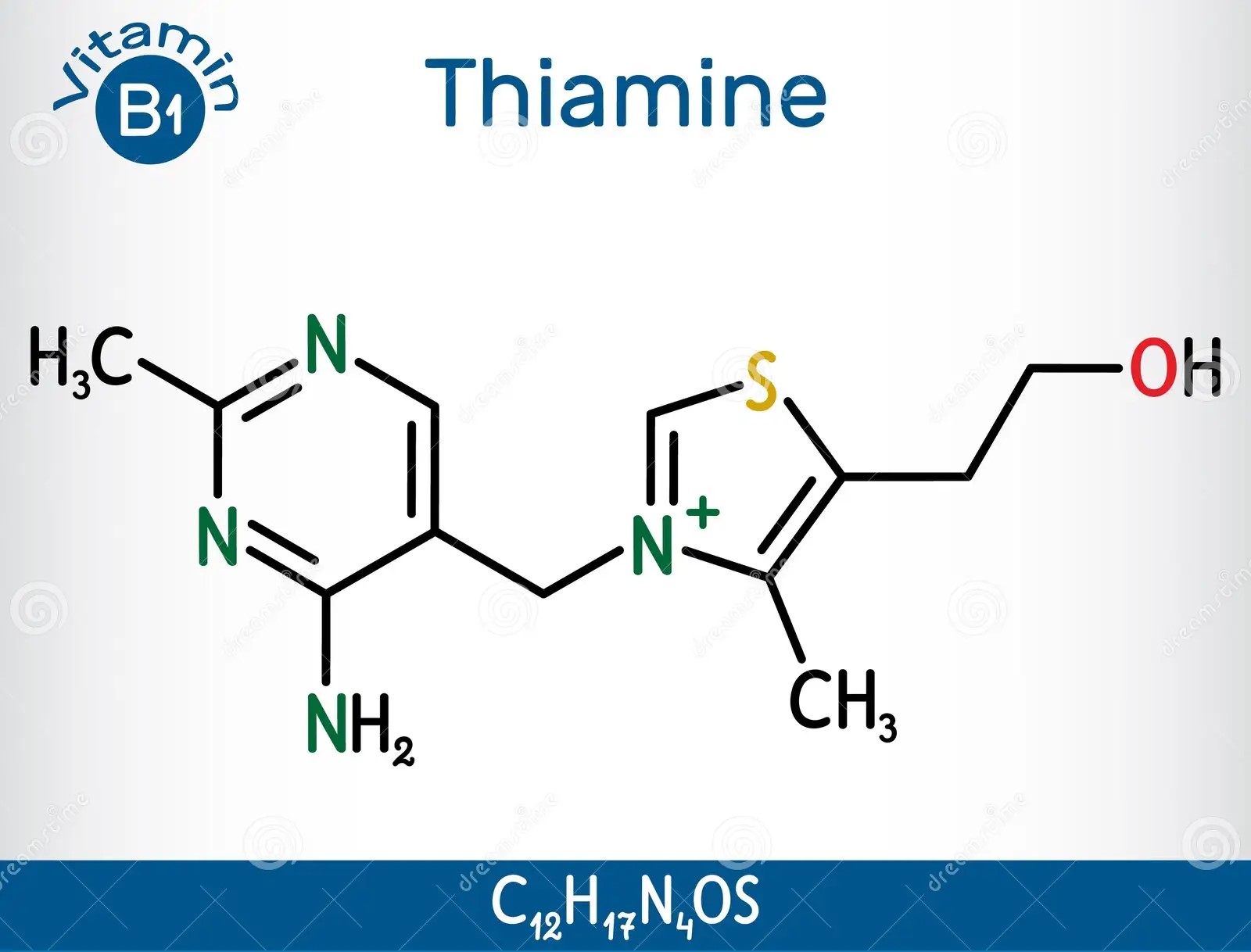
The Energy Catalyst: A Beginner's Guide to Thiamine (Vitamin B1)
Thiamine Vitamin B1
We all kinda sorta know that B vitamins are good for us, but sometimes knowing exactly how to get them into our body for the benefit of making energy may be a challenge. Here’s a simple resource for you to know food sources to find your B1 at the store while shopping for your groceries, info on how B1 functions in your body, and signals that indicate body may be low in Thiamine.
Excellent Food Sources Include :
Romaine, Crimini Mushrooms, Spinach, Sunflower Seeds, Tuna, Green Peas, Tomatoes, Eggplant, Brussels Sprouts.
How does B1 Function in the Body :
Thaimine allows our cells to maintain energy supplies and is responsible for activity of nerve and muscle cells. It also supports proper heart function. B1 absorption requires other B vitamins (specifically B6, B12, and folic acid). When there is energy deprivation, there commonly is a link to low B1.
Signals of Deficiency:
Loss of appetite is a common sign of low B1 accompanied by fatigue, possible brain fog. Nerve dysfunction (pins and needles sensation) may also be indicated. Numbness in legs, inability to maintain proper muscle tone (specifically in the GI tract, leading to indigestion and constipation). Muscle tenderness (specifically calf muscles) may also be a sign of deficiency.
Risks for Deficiency:
Alcoholism
Heavy use of coffee or black tea
Chronic Stress
Diarrhea
Chronic Fever
Smoking
Side note — Sulfites and Nitrites can inactivate B1 along with heat-processed grains.
So what are sulfites and nitrites?
Sulfites are found in pre-cut fruits that prevent that brown color that happens when a fruit or vegetable has been cut and set aside for a while. This is called oxidation – which basically means oxygen has hit the fruit and you can now see brown discoloration. Additional info on this can be found here: https://healthfully.com/178719-what-nutrients-are-lost-when-an-apple-oxidizes.html
Nitrites (also in the form of Nitrates), however, can be found in processed meats – specifically pork products (bacon, sausage, ham), deli meats, and processed hot dogs. These are the yucky form of nitrites used as food additives. There are alternatives for natural dietary nitrites which you can read more about here: https://www.webmd.com/diet/foods-high-in-nitrates#2
If you are interested in the chemical difference between nitrites and nitrates you can read about that here: https://byjus.com/chemistry/difference-between-nitrate-and-nitrite/
So with all that, the main thing to think about is this:
You need Thiamine for energy
You need Thiamine for activity of nerve supplies and muscle cells
Supports proper heart function
Sources are: Romaine, Crimini Mushrooms, Spinach, Sunflower Seeds, Tuna, Green Peas, Tomatoes, Eggplant, and Brussel Sprouts
Next up: Vitamin B2 – Riboflavin
Resources:
Lights, Verneda. “What Nutrients Are Lost When an Apple Oxidizes?” Healthfully, 11 Jan. 2021, healthfully.com/178719-what-nutrients-are-lost-when-an-apple-oxidizes.html.
Brennan, Dan. “8 Foods High in Nitrates and Why You Should Avoid Them.” WebMD, WebMD, 26 Oct. 2020, www.webmd.com/diet/foods-high-in-nitrates.
Admin. “Difference Between Nitrite and Nitrate: Nitrite v/s Nitrate.” BYJUS, BYJU’S, 13 Aug. 2020, byjus.com/chemistry/difference-between-nitrate-and-nitrite/.
Mateljan, George. The World’s Healthiest Foods: the Force for Change to Optimal with Health-Promoting Foods and Nutrient-Rich Cooking. George Mateljan Foundation, 2015.